Seminole Blog

Sample Page

Category: general

  • Why Collaboration Creates Success

    Why Collaboration Creates Success

    Success is often described as the result of individual talent, determination, and hard work. While these qualities are certainly important, many of the greatest achievements happen when people work together. Collaboration brings different skills, experiences, and ideas into one shared effort. When people cooperate effectively, they can solve problems more creatively, overcome challenges more easily, and achieve results that may be difficult to reach alone

    Whether in business, education, sports, technology, or community projects, collaboration creates opportunities for people to combine their strengths. It is not simply about working in the same place or completing tasks together. True collaboration means listening, contributing, supporting one another, and working toward a common goal.

    Different Ideas Lead to Better Solutions

    One of the biggest advantages of collaboration is the opportunity to hear different perspectives. Every person sees problems through the lens of their own experiences and knowledge.

    When several people discuss an issue, they may notice details that others have missed. One person might identify a problem, while another suggests a creative solution. A third person may find a practical way to turn that idea into reality.

    This exchange of ideas can lead to stronger solutions than one person might develop alone.

    Collaboration also encourages people to question assumptions. When ideas are discussed respectfully, teams can explore possibilities and make more thoughtful decisions.

    People Bring Different Strengths

    No individual is good at everything. One person may be highly creative, another may be excellent at organizing, and someone else may have strong technical knowledge.

    Collaboration allows these different strengths to work together.

    For example, a successful project may require planning, communication, research, creativity, and technical skills. Instead of expecting one person to master every area, a collaborative team can divide responsibilities according to individual strengths.

    This makes the work more efficient and gives each person an opportunity to contribute something valuable.

    Collaboration Encourages Learning

    Working with others is an excellent way to learn new skills and perspectives. People can observe how their colleagues approach challenges and discover methods they may not have considered before.

    A new employee can learn from experienced teammates. Students can learn from classmates who understand a topic differently. Even experienced professionals can gain new knowledge from people with different backgrounds.

    Collaboration creates a natural exchange of knowledge. When people share what they know, the entire group becomes stronger.

    Shared Goals Create Motivation

    Working toward a common goal can create a strong sense of purpose. When people understand that their individual contributions are part of something larger, they may feel more motivated to participate.

    A team that shares a clear goal can encourage its members during difficult moments. When one person feels discouraged, others can provide support and remind them why the work matters.

    This sense of shared responsibility can help teams remain focused, especially when progress is slow.

    Collaboration Builds Stronger Relationships

    Successful teamwork requires trust and communication. As people work together, they learn how to understand one another, solve disagreements, and provide support.

    These experiences can strengthen professional and personal relationships.

    A team that communicates openly is often better prepared to handle challenges. Members feel more comfortable asking for help and sharing concerns when they know their teammates will listen.

    Over time, these positive interactions create a culture of cooperation.

    Collaboration Improves Problem-Solving

    Difficult problems often require more than one way of thinking. A single person may become stuck because they are looking at an issue from only one perspective.

    A collaborative team can approach the same problem from several angles. Members can test different ideas, identify potential risks, and improve solutions through discussion.

    This does not mean every team will agree immediately. Healthy disagreement can actually improve decision-making when people focus on the problem rather than attacking one another.

    The goal is to find the best solution, not simply to prove who is right.

    Technology Makes Collaboration Easier

    Modern technology has changed the way people work together. Teams can now communicate and share information across cities and countries.

    Video meetings, shared documents, project management tools, and online platforms allow people to collaborate even when they are not physically together.

    This has created new opportunities for global teamwork. People with different experiences and perspectives can contribute to the same project regardless of location.

    However, technology is only a tool. Effective collaboration still depends on clear communication, trust, and mutual respect.

    Everyone Needs a Voice

    Good collaboration does not mean that the loudest person controls the conversation. Strong teams create opportunities for everyone to contribute.

    Some people may be naturally confident speakers, while others may prefer to think carefully before sharing an idea. Leaders can encourage balanced participation by creating an environment where different communication styles are respected.

    When people feel that their contributions matter, they are more likely to participate actively and take ownership of their work.

    Success Is a Shared Achievement

    One of the most powerful aspects of collaboration is the understanding that success belongs to the entire team.

    When a group achieves a goal, every contribution matters. The person who developed the original idea, the person who solved a technical problem, and the person who organized the final details may all have played important roles.

    Recognizing these contributions creates a positive culture and encourages people to continue working together.

    Conclusion

    Collaboration creates success because it brings people together around shared goals and allows them to combine their strengths. Through collaboration, individuals can exchange ideas, learn from one another, solve complex problems, and create stronger relationships.

    The most successful teams understand that working together does not mean everyone must think the same way. In fact, differences in experience and perspective can become powerful advantages when people communicate respectfully.

    Success is rarely the result of one person’s effort alone. Behind many great achievements is a group of people who shared ideas, supported one another, and remained committed to a common purpose.

    When people choose cooperation over competition, listen to different perspectives, and recognize the value of every contribution, they create an environment where success becomes more achievable. Collaboration reminds us that sometimes the strongest path forward is not walking alone, but moving together.


  • The Importance of Professional Development

    The Importance of Professional Development

    Professional development is one of the most valuable investments a person can make throughout their career. In today’s fast-changing world, industries continue to evolve, technology advances rapidly, and workplace expectations constantly shift. As a result, simply relying on existing knowledge is no longer enough to achieve long-term success. Professional development involves continuously improving skills, expanding knowledge, and staying updated with industry trends. It helps individuals become more confident, productive, and prepared for new opportunities. Whether someone is just beginning their career or has years of experience, a commitment to professional growth creates a strong foundation for lasting success and personal satisfaction.

    Understanding Professional Development

    Professional development refers to the ongoing process of improving the knowledge, skills, and abilities needed to perform effectively in a career. It includes learning through training programs, workshops, certifications, online courses, mentoring, and practical experience.

    Rather than being a one-time effort, professional development is a lifelong journey. Every new skill learned or experience gained contributes to career growth and increases a person’s ability to adapt to changing workplace demands.

    Continuous improvement helps professionals remain valuable in an increasingly competitive job market.

    Keeping Up With Industry Changes

    Every industry experiences change over time. New technologies, updated regulations, and evolving customer expectations require professionals to stay informed and adaptable.

    People who regularly update their knowledge are better prepared to respond to these changes. They can quickly adopt new methods, use modern tools, and contribute innovative ideas within their organizations.

    Staying current with industry developments increases both confidence and career stability.

    Building Confidence in the Workplace

    Professional development helps individuals become more confident in their abilities. As people gain new knowledge and improve their skills, they feel better prepared to handle challenges and responsibilities.

    Confidence allows employees to communicate more effectively, solve problems independently, and contribute meaningful ideas during discussions.

    A confident professional is more likely to take initiative and pursue leadership opportunities.

    Creating Better Career Opportunities

    Learning new skills often opens doors to promotions, career changes, and higher-level responsibilities. Employers appreciate individuals who demonstrate a commitment to personal growth and continuous improvement.

    Professionals who actively invest in their development often stand out during hiring and promotion decisions. Their willingness to learn shows adaptability and motivation.

    Career opportunities frequently come to those who consistently improve themselves.

    Strengthening Problem-Solving Skills

    Professional development encourages critical thinking and effective decision-making. Through learning and experience, individuals become better at identifying challenges and developing practical solutions.

    Strong problem-solving abilities help professionals remain calm under pressure and contribute positively to their teams.

    Organizations highly value employees who can think creatively and solve complex issues efficiently.

    Improving Communication and Collaboration

    Technical skills are important, but communication is equally essential for professional success. Development programs often focus on improving speaking, listening, writing, and teamwork abilities.

    Effective communication strengthens workplace relationships, reduces misunderstandings, and improves collaboration across departments.

    Professionals who communicate clearly are better equipped to lead projects and build strong professional networks.

    Encouraging Leadership Development

    Leadership skills can be developed through continuous learning and practical experience. Professional development teaches individuals how to motivate teams, manage responsibilities, and make informed decisions.

    Even employees who are not in management positions benefit from leadership skills by taking initiative and supporting colleagues.

    Strong leadership contributes to organizational growth and creates opportunities for career advancement.

    Adapting to New Technology

    Technology continues to reshape workplaces across every industry. Learning how to use new software, digital tools, and emerging technologies has become an important part of professional development.

    Professionals who embrace technology improve their productivity and remain competitive in the modern workforce.

    Being comfortable with technological change also makes it easier to adapt to future workplace innovations.

    Building a Lifelong Learning Mindset

    Professional development is most successful when it becomes a lifelong habit. Individuals who enjoy learning remain curious, open-minded, and willing to explore new opportunities.

    A lifelong learning mindset encourages continuous improvement rather than settling for existing knowledge. It allows professionals to remain flexible and prepared for future career challenges.

    Learning consistently leads to both personal and professional growth.

    Preparing for Long-Term Success

    Career success is not achieved through one accomplishment alone. It is built over time through dedication, learning, and consistent improvement.

    Professional development prepares individuals for changing job markets, emerging industries, and new responsibilities. It creates the confidence and skills needed to succeed throughout an entire career.

    The willingness to learn today creates opportunities for tomorrow.

    Conclusion

    Professional development is essential for anyone who wants to grow, succeed, and remain competitive in today’s evolving workplace. It helps individuals improve their skills, build confidence, strengthen communication, develop leadership abilities, and adapt to changing technologies. More importantly, it creates opportunities for career advancement and long-term success. Continuous learning is no longer optional—it is a necessity in a world where industries and workplaces continue to evolve. By investing in professional development, individuals not only improve their careers but also become more capable, adaptable, and prepared for whatever opportunities the future may bring.

    Technology has transformed nearly every aspect of modern life, and the workplace is no exception. From artificial intelligence and automation to cloud computing and remote collaboration, digital advancements are changing the way people work and build their careers. Jobs that once relied on manual processes now involve advanced software and digital tools, while entirely new career paths have emerged in fields that barely existed a decade ago. Although these changes can seem challenging, they also create exciting opportunities for growth and innovation. Understanding how technology is reshaping careers helps individuals prepare for the future and develop the skills needed to succeed in an increasingly digital world.

    The Rise of Digital Workplaces

    Modern workplaces are becoming more connected through technology. Businesses now use cloud-based platforms, video conferencing tools, and project management software to improve communication and collaboration.

    Employees can work together regardless of location, making teamwork more flexible and efficient. Digital workplaces also allow businesses to hire talent from different regions, expanding career opportunities for professionals around the world.

    As technology continues to improve, digital workplaces will become even more common across industries.

    Automation Is Transforming Job Roles

    Automation has changed the way many tasks are completed. Repetitive and routine activities are increasingly handled by machines and software, allowing employees to focus on more meaningful responsibilities.

    Rather than eliminating all jobs, automation is changing the skills required for many positions. Creativity, critical thinking, communication, and decision-making are becoming more valuable because they cannot easily be replaced by technology.

    Professionals who adapt to these changes are more likely to thrive in the future job market.

    The Growing Demand for Digital Skills

    Technology has made digital skills essential in almost every profession. Basic computer knowledge is no longer enough, as many roles now require familiarity with online collaboration tools, data analysis, and digital communication platforms.

    People who continue learning new technologies improve their employability and remain competitive in changing industries. Even small improvements in digital literacy can open doors to better career opportunities.

    Developing digital skills is one of the smartest investments for long-term career success.

    Remote Work Is Creating New Opportunities

    One of the biggest changes brought by technology is the rise of remote work. Employees can now perform many tasks from home or any location with a reliable internet connection.

    Remote work provides greater flexibility, improves work-life balance, and allows organizations to access talent from around the globe. It also enables professionals to explore opportunities that were once limited by geography.

    Success in remote work requires strong communication, discipline, and effective time management.

    Continuous Learning Has Become Essential

    Technology evolves rapidly, making continuous learning an important part of every career. Professionals who regularly update their knowledge are better prepared for new tools, systems, and industry changes.

    Online courses, webinars, certifications, and professional workshops make learning more accessible than ever before. Developing new skills consistently helps individuals remain confident and adaptable.

    A commitment to lifelong learning supports long-term career growth.

    Soft Skills Remain Highly Valuable

    While technical knowledge is important, employers continue to value human skills that technology cannot replace. Communication, leadership, emotional intelligence, teamwork, and creativity remain essential in every workplace.

    Professionals who combine technical expertise with strong interpersonal skills often become valuable team members and future leaders.

    Balancing digital abilities with soft skills creates greater career opportunities.

    Technology Encourages Career Flexibility

    In the past, many people spent their entire careers in one profession. Today, technology allows individuals to explore different career paths more easily.

    Online learning platforms, digital networking, and freelance opportunities make it possible to transition into new industries without starting from the beginning.

    Career flexibility gives professionals greater control over their personal and professional growth.

    Innovation Creates New Career Paths

    As technology advances, entirely new careers continue to emerge. Fields such as cybersecurity, artificial intelligence, digital marketing, cloud computing, and data science have expanded rapidly in recent years.

    These new opportunities demonstrate how innovation creates demand for specialized knowledge and creative thinking.

    People who stay informed about industry trends can position themselves for future career success.

    Preparing for Tomorrow’s Workplace

    The workplace of the future will continue to evolve as technology becomes more advanced. Professionals who remain curious, adaptable, and open to learning will be better equipped to handle these changes.

    Preparing for tomorrow means developing both technical knowledge and personal skills that support collaboration and problem-solving.

    A proactive approach to learning creates confidence and career stability.

    Building a Future-Ready Career

    A successful career in the digital age requires more than technical expertise. It requires resilience, flexibility, and a willingness to embrace change.

    People who continuously improve their skills, adapt to new technologies, and maintain a positive attitude toward learning will remain valuable in any industry.

    Building a future-ready career begins with the decision to keep growing every day.

    Conclusion

    Technology is transforming careers by changing how people work, communicate, and develop professionally. Automation, remote work, digital tools, and innovation have created both challenges and exciting opportunities for individuals across every industry. While technical knowledge is becoming increasingly important, human qualities such as creativity, communication, leadership, and adaptability remain essential for long-term success. By embracing continuous learning and staying open to change, professionals can confidently navigate the evolving workplace. The future belongs to those who are willing to learn, adapt, and use technology as a tool for personal and career growth.

  • Machine Learning Applications Across Different Industries

    Machine Learning Applications Across Different Industries

    Machine learning is transforming the way businesses operate, compete, and serve customers. As a branch of artificial intelligence, machine learning enables computer systems to learn from data, identify patterns, and make predictions or decisions with minimal human intervention. From healthcare and finance to retail and manufacturing, machine learning applications are helping organizations improve efficiency, reduce costs, personalize experiences, and unlock new opportunities.

    As data continues to grow across every sector, industries are adopting machine learning solutions to gain deeper insights and automate complex tasks. Below, we explore the most important machine learning applications across different industries and how they are shaping the future of business.

    What Is Machine Learning?

    Machine learning is a technology that allows software systems to improve their performance over time by learning from data. Instead of being explicitly programmed for every task, machine learning models are trained using historical information. These models can then make predictions, classify data, detect anomalies, or recommend actions.

    Common types of machine learning include supervised learning, unsupervised learning, and reinforcement learning. Businesses use these techniques in applications such as fraud detection, customer segmentation, predictive maintenance, image recognition, and natural language processing.

    Machine Learning in Healthcare

    One of the most impactful machine learning applications is in the healthcare industry. Medical organizations use machine learning to improve diagnosis, treatment planning, patient monitoring, and drug discovery.

    Machine learning X88com algorithms can analyze medical images such as X-rays, MRIs, and CT scans to detect diseases earlier and more accurately. For example, AI-powered tools can help identify tumors, fractures, or signs of conditions like pneumonia. These systems support doctors by reducing diagnostic errors and speeding up decision-making.

    Predictive analytics is another major use case. Hospitals can use machine learning models to predict patient readmission, identify high-risk patients, and optimize staffing. In drug development, machine learning helps researchers analyze large datasets to discover potential compounds faster, reducing the time and cost of bringing new medicines to market.

    Machine Learning in Finance and Banking

    The finance industry has widely adopted machine learning to enhance security, automate processes, and improve customer service. Fraud detection is one of the most common machine learning applications in banking. Algorithms analyze transaction patterns in real time and flag suspicious activity, helping banks prevent unauthorized transactions and financial losses.

    Machine learning is also used for credit scoring and risk assessment. By analyzing customer data, payment history, income patterns, and other financial indicators, lenders can make more accurate loan approval decisions. This can improve access to credit while reducing default risk.

    In investment and trading, machine learning models analyze market trends, news, and historical price data to support trading strategies. Chatbots and virtual assistants powered by natural language processing also help banks provide 24/7 customer support and answer routine questions quickly.

    Machine Learning in Retail and E-Commerce

    Retail and e-commerce companies use machine learning to create personalized shopping experiences, optimize pricing, and improve inventory management. Recommendation engines are among the best-known machine learning applications in this industry. Platforms like online stores and streaming services suggest products, content, or services based on user behavior, preferences, and purchase history.

    Machine learning also supports dynamic pricing. Retailers can adjust prices based on demand, competitor pricing, seasonality, and customer behavior. This helps businesses maximize revenue while staying competitive.

    Inventory forecasting is another valuable application. By analyzing sales data, market trends, and external factors such as holidays or weather, machine learning models can predict product demand. This helps retailers avoid overstocking or stockouts, reducing waste and improving customer satisfaction.

    Machine Learning in Manufacturing

    Manufacturing companies are using machine learning to improve productivity, quality control, and equipment maintenance. Predictive maintenance is a key application. Sensors installed on machines collect data about temperature, vibration, pressure, and performance. Machine learning models analyze this data to predict when equipment is likely to fail, allowing companies to perform maintenance before breakdowns occur.

    Quality inspection is another important use case. Computer vision systems powered by machine learning can detect defects in products faster and more consistently than manual inspection. This reduces errors, improves product quality, and lowers production costs.

    Machine learning can also optimize supply chains and production schedules. By analyzing demand forecasts, resource availability, and operational data, manufacturers can make smarter decisions and increase efficiency.

    Machine Learning in Transportation and Logistics

    The transportation and logistics industry benefits greatly from machine learning applications. Route optimization is one of the most practical uses. Machine learning algorithms analyze traffic conditions, fuel costs, delivery windows, and weather patterns to recommend the most efficient routes. This reduces delivery times, fuel consumption, and operating costs.

    In logistics, machine learning helps companies forecast demand, manage warehouse operations, and track shipments in real time. Autonomous vehicles and self-driving technology also rely heavily on machine learning to interpret road conditions, recognize objects, and make driving decisions.

    Airlines use machine learning to optimize ticket pricing, improve maintenance schedules, and enhance customer service. As transportation networks become more connected, machine learning will continue to play a critical role in improving safety and efficiency.

    Machine Learning in Agriculture

    Agriculture is becoming more data-driven with the help of machine learning. Farmers use machine learning applications to monitor crops, predict yields, detect diseases, and optimize resource use.

    Drones and satellite images can collect data about soil health, crop growth, and irrigation needs. Machine learning models analyze this data to help farmers make informed decisions about watering, fertilizing, and harvesting. This improves crop productivity while reducing waste.

    Machine learning can also detect plant diseases early by analyzing images of leaves or crops. Early detection allows farmers to respond quickly, preventing crop loss and improving food security. In livestock farming, machine learning helps monitor animal health and behavior.

    Machine Learning in Marketing

    Marketing teams use machine learning to understand customers, improve campaigns, and increase conversions. Customer segmentation is a powerful application that groups customers based on behavior, demographics, interests, and purchase patterns. This allows marketers to create targeted campaigns that are more relevant and effective.

    Machine learning also powers predictive analytics in marketing. Businesses can predict which customers are likely to buy, unsubscribe, or respond to a specific offer. This helps companies focus their marketing efforts and improve return on investment.

    Additionally, machine learning supports sentiment analysis by analyzing customer reviews, social media posts, and feedback. Brands can understand public opinion, identify issues, and improve customer experience.

    Machine Learning in Education

    The education sector is using machine learning to personalize learning and improve student outcomes. Adaptive learning platforms analyze student performance and provide customized lessons, exercises, and feedback. This helps learners progress at their own pace.

    Machine learning can also identify students who may be at risk of falling behind. By analyzing attendance, grades, and engagement, educators can intervene early and provide support. Automated grading tools and AI tutors are also helping teachers save time and improve learning experiences.

    The Future of Machine Learning Across Industries

    Machine learning applications are expanding rapidly Link vào X88 as organizations collect more data and invest in digital transformation. In the future, machine learning will become even more integrated into daily business operations. Advances in cloud computing, edge AI, automation, and big data analytics will make machine learning solutions more accessible to companies of all sizes.

    However, businesses must also address challenges such as data privacy, model bias, cybersecurity, and ethical AI use. Successful adoption requires high-quality data, skilled professionals, and clear business goals.

    Conclusion

    Machine learning is revolutionizing industries by enabling smarter decisions, automation, and personalized experiences. From healthcare diagnosis and financial fraud detection to retail recommendations and predictive maintenance in manufacturing, machine learning applications are creating measurable value across sectors.

    As technology continues to evolve, companies that embrace machine learning will be better positioned to innovate, improve efficiency, and meet changing customer expectations. Machine learning is no longer a future concept—it is a powerful tool already shaping the modern business world.

  • Essential Industrial Machinery for Modern Manufacturing

    Essential Industrial Machinery for Modern Manufacturing

    Modern manufacturing depends on speed, precision, consistency, and efficiency. Whether a company produces automotive parts, consumer electronics, packaged foods, textiles, or construction materials, the right industrial machinery is critical to maintaining quality and meeting production goals. As global competition increases and customer expectations rise, manufacturers are investing in advanced machines that reduce labor costs, improve safety, and support scalable production.

    This article explores the essential industrial machinery used in modern manufacturing and explains how these machines contribute to productivity, quality control, and long-term business growth.

    The Role of Industrial Machinery in Manufacturing

    Ga6789com forms the backbone of modern production facilities. These machines automate repetitive tasks, improve accuracy, and allow businesses to produce goods at a much higher volume than manual labor alone could achieve. From raw material processing to final packaging, industrial equipment is used at nearly every stage of the manufacturing process.

    The right machinery can help manufacturers reduce waste, minimize downtime, and improve product consistency. In industries where precision is essential, such as aerospace, medical devices, and electronics, advanced manufacturing machines are especially important.

    CNC Machines

    Computer Numerical Control, or CNC machines, are among the most important tools in modern manufacturing. These machines use computer-programmed instructions to cut, shape, drill, or mill materials with exceptional precision. CNC technology is commonly used with metals, plastics, wood, and composite materials.

    CNC machines are essential in industries such as automotive manufacturing, aerospace engineering, furniture production, and toolmaking. They allow manufacturers to create complex components with tight tolerances and repeatable accuracy. Because they are automated, CNC machines also reduce the risk of human error and increase production efficiency.

    Industrial Robots

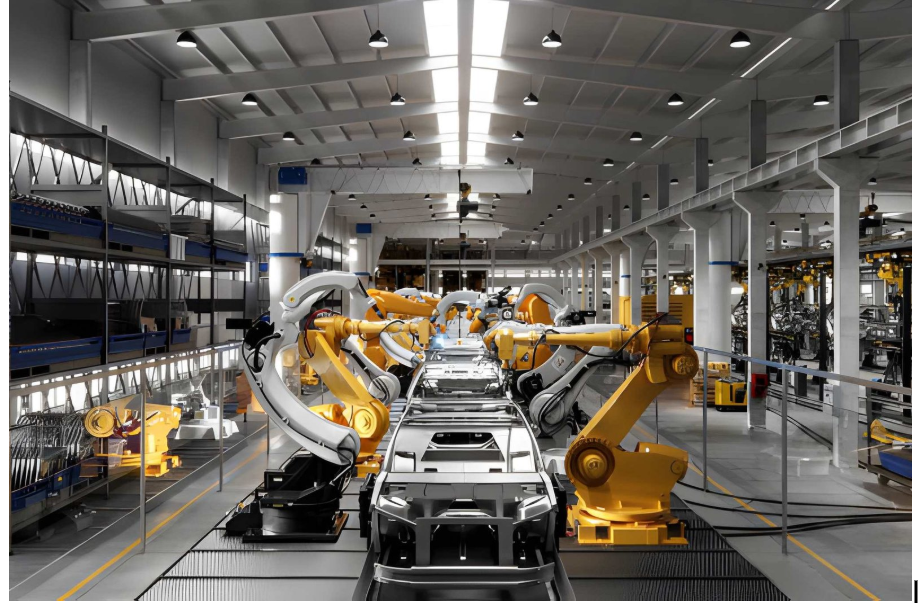
    Industrial robots have transformed manufacturing by automating tasks that are repetitive, dangerous, or require high precision. These machines are widely used for welding, painting, assembly, material handling, palletizing, and packaging.

    Robotic automation helps manufacturers improve workplace safety by keeping employees away from hazardous environments. Robots can also operate continuously, which increases output and reduces production delays. In smart factories, industrial robots are often connected to sensors and software systems, allowing real-time monitoring and process optimization.

    Conveyor Systems

    Conveyor systems are essential for moving materials, components, and finished products throughout a manufacturing facility. They help streamline workflows by reducing the need for manual transportation and improving production speed.

    There are several types of conveyor systems, including belt conveyors, roller conveyors, chain conveyors, and overhead conveyors. Each type is designed for specific applications and load requirements. In industries such as food processing, logistics, automotive manufacturing, and packaging, conveyor systems play a major role in keeping operations organized and efficient.

    Injection Molding Machines

    Injection molding machines are widely used in the production of plastic parts. These machines work by melting plastic material and injecting it into a mold, where it cools and forms the desired shape. This process is ideal for producing large quantities of identical parts with high accuracy.

    Injection molding is commonly used to manufacture automotive components, medical products, electronic housings, toys, packaging materials, and household goods. The main advantages of injection molding machines include fast production cycles, low material waste, and the ability to create complex shapes.

    Press Machines

    Press machines are used to shape, cut, or form materials by applying pressure. They are commonly found in metalworking, automotive manufacturing, appliance production, and construction material fabrication. Common types include hydraulic presses, mechanical presses, and pneumatic presses.

    These machines are essential for processes such as stamping, bending, punching, forging, and forming. Press machines help manufacturers produce durable and precise parts while maintaining high production rates. Modern press machines often include safety features and digital controls to improve operator protection and process accuracy.

    Industrial Mixers and Blenders

    Industrial mixers and blenders are important in industries that require uniform material processing. They are used to combine powders, liquids, granules, or pastes into consistent mixtures. These machines are common in food production, pharmaceuticals, chemicals, cosmetics, and construction materials.

    For example, food manufacturers use industrial mixers to prepare dough, sauces, and seasonings. Pharmaceutical companies rely on blending equipment to ensure accurate ingredient distribution in medicines. A well-designed mixing system improves product quality, reduces batch variation, and supports regulatory compliance.

    Packaging Machinery

    Packaging machinery is essential for preparing products for storage, shipment, and sale. It includes equipment such as filling machines, sealing machines, labeling machines, wrapping machines, and carton erectors. Automated packaging systems increase speed, reduce labor costs, and improve packaging consistency.

    In modern manufacturing, packaging is more than just protection. It also affects branding, shelf appeal, and customer experience. Efficient packaging machinery helps companies meet market demands while reducing material waste and improving sustainability.

    Welding Machines

    Welding machines are critical for joining metal components in manufacturing and fabrication. They are used in industries such as automotive, shipbuilding, construction, aerospace, and heavy equipment production. Common welding methods include MIG welding, TIG welding, arc welding, and resistance welding.

    Modern welding machines offer greater control, improved energy efficiency, and better weld quality. Automated welding systems, including robotic welders, are increasingly popular because they improve consistency and reduce production time.

    Laser Cutting Machines

    Laser cutting machines use a high-powered laser beam to cut materials with speed and precision. They are commonly used for cutting metal, plastic, wood, fabric, and glass. Laser cutting is ideal for producing detailed designs, clean edges, and intricate patterns.

    Manufacturers value laser cutting machines because they reduce material waste and require minimal finishing work. These machines are widely used in signage, automotive parts, electronics, metal fabrication, and architectural components.

    Quality Control and Inspection Equipment

    Quality control is a vital part of manufacturing. Inspection equipment helps manufacturers detect defects, measure dimensions, and verify that products meet required standards. Common quality control machines include coordinate measuring machines, vision inspection systems, hardness testers, and leak testing equipment.

    By using automated inspection systems, manufacturers can identify problems early and prevent defective products from reaching customers. This improves customer satisfaction, reduces returns, and protects brand reputation.

    Choosing the Right Industrial Machinery

    Selecting the right industrial machinery depends on several factors, including production volume, material type, available space, budget, and long-term business goals. Manufacturers should also consider energy efficiency, maintenance requirements, operator training, and compatibility with existing production systems.

    Investing in high-quality machinery may require significant upfront costs, but it can deliver strong returns through increased productivity, reduced waste, and improved product quality. Businesses should work with reputable machinery suppliers and consider future scalability when making purchasing decisions.

    Conclusion

    Industrial machinery is essential for modern manufacturing.From CNC machines and industrial robots to conveyor systems, packaging equipment, and quality control machines, each type of equipment plays a key role in improving efficiency and product quality. As technology continues to advance, manufacturers that invest in reliable and automated machinery will be better positioned to compete in a fast-changing global market.

    By choosing the right industrial machinery,Gà Cú đá 5 tỷ companies can increase production capacity, reduce operational costs, improve safety, and deliver consistent products that meet customer expectations.

    vvvv