Machine Learning Applications Across Different Industries
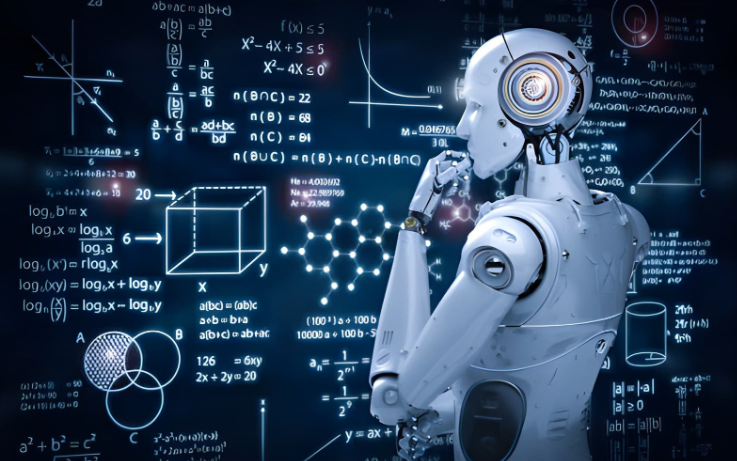
Machine learning is transforming the way businesses operate, compete, and serve customers. As a branch of artificial intelligence, machine learning enables computer systems to learn from data, identify patterns, and make predictions or decisions with minimal human intervention. From healthcare and finance to retail and manufacturing, machine learning applications are helping organizations improve efficiency, reduce costs, personalize experiences, and unlock new opportunities.
As data continues to grow across every sector, industries are adopting machine learning solutions to gain deeper insights and automate complex tasks. Below, we explore the most important machine learning applications across different industries and how they are shaping the future of business.
What Is Machine Learning?
Machine learning is a technology that allows software systems to improve their performance over time by learning from data. Instead of being explicitly programmed for every task, machine learning models are trained using historical information. These models can then make predictions, classify data, detect anomalies, or recommend actions.
Common types of machine learning include supervised learning, unsupervised learning, and reinforcement learning. Businesses use these techniques in applications such as fraud detection, customer segmentation, predictive maintenance, image recognition, and natural language processing.
Machine Learning in Healthcare
One of the most impactful machine learning applications is in the healthcare industry. Medical organizations use machine learning to improve diagnosis, treatment planning, patient monitoring, and drug discovery.
Machine learning X88com algorithms can analyze medical images such as X-rays, MRIs, and CT scans to detect diseases earlier and more accurately. For example, AI-powered tools can help identify tumors, fractures, or signs of conditions like pneumonia. These systems support doctors by reducing diagnostic errors and speeding up decision-making.
Predictive analytics is another major use case. Hospitals can use machine learning models to predict patient readmission, identify high-risk patients, and optimize staffing. In drug development, machine learning helps researchers analyze large datasets to discover potential compounds faster, reducing the time and cost of bringing new medicines to market.
Machine Learning in Finance and Banking
The finance industry has widely adopted machine learning to enhance security, automate processes, and improve customer service. Fraud detection is one of the most common machine learning applications in banking. Algorithms analyze transaction patterns in real time and flag suspicious activity, helping banks prevent unauthorized transactions and financial losses.
Machine learning is also used for credit scoring and risk assessment. By analyzing customer data, payment history, income patterns, and other financial indicators, lenders can make more accurate loan approval decisions. This can improve access to credit while reducing default risk.
In investment and trading, machine learning models analyze market trends, news, and historical price data to support trading strategies. Chatbots and virtual assistants powered by natural language processing also help banks provide 24/7 customer support and answer routine questions quickly.
Machine Learning in Retail and E-Commerce
Retail and e-commerce companies use machine learning to create personalized shopping experiences, optimize pricing, and improve inventory management. Recommendation engines are among the best-known machine learning applications in this industry. Platforms like online stores and streaming services suggest products, content, or services based on user behavior, preferences, and purchase history.
Machine learning also supports dynamic pricing. Retailers can adjust prices based on demand, competitor pricing, seasonality, and customer behavior. This helps businesses maximize revenue while staying competitive.
Inventory forecasting is another valuable application. By analyzing sales data, market trends, and external factors such as holidays or weather, machine learning models can predict product demand. This helps retailers avoid overstocking or stockouts, reducing waste and improving customer satisfaction.
Machine Learning in Manufacturing
Manufacturing companies are using machine learning to improve productivity, quality control, and equipment maintenance. Predictive maintenance is a key application. Sensors installed on machines collect data about temperature, vibration, pressure, and performance. Machine learning models analyze this data to predict when equipment is likely to fail, allowing companies to perform maintenance before breakdowns occur.
Quality inspection is another important use case. Computer vision systems powered by machine learning can detect defects in products faster and more consistently than manual inspection. This reduces errors, improves product quality, and lowers production costs.
Machine learning can also optimize supply chains and production schedules. By analyzing demand forecasts, resource availability, and operational data, manufacturers can make smarter decisions and increase efficiency.
Machine Learning in Transportation and Logistics
The transportation and logistics industry benefits greatly from machine learning applications. Route optimization is one of the most practical uses. Machine learning algorithms analyze traffic conditions, fuel costs, delivery windows, and weather patterns to recommend the most efficient routes. This reduces delivery times, fuel consumption, and operating costs.
In logistics, machine learning helps companies forecast demand, manage warehouse operations, and track shipments in real time. Autonomous vehicles and self-driving technology also rely heavily on machine learning to interpret road conditions, recognize objects, and make driving decisions.
Airlines use machine learning to optimize ticket pricing, improve maintenance schedules, and enhance customer service. As transportation networks become more connected, machine learning will continue to play a critical role in improving safety and efficiency.
Machine Learning in Agriculture
Agriculture is becoming more data-driven with the help of machine learning. Farmers use machine learning applications to monitor crops, predict yields, detect diseases, and optimize resource use.
Drones and satellite images can collect data about soil health, crop growth, and irrigation needs. Machine learning models analyze this data to help farmers make informed decisions about watering, fertilizing, and harvesting. This improves crop productivity while reducing waste.
Machine learning can also detect plant diseases early by analyzing images of leaves or crops. Early detection allows farmers to respond quickly, preventing crop loss and improving food security. In livestock farming, machine learning helps monitor animal health and behavior.
Machine Learning in Marketing
Marketing teams use machine learning to understand customers, improve campaigns, and increase conversions. Customer segmentation is a powerful application that groups customers based on behavior, demographics, interests, and purchase patterns. This allows marketers to create targeted campaigns that are more relevant and effective.
Machine learning also powers predictive analytics in marketing. Businesses can predict which customers are likely to buy, unsubscribe, or respond to a specific offer. This helps companies focus their marketing efforts and improve return on investment.
Additionally, machine learning supports sentiment analysis by analyzing customer reviews, social media posts, and feedback. Brands can understand public opinion, identify issues, and improve customer experience.
Machine Learning in Education
The education sector is using machine learning to personalize learning and improve student outcomes. Adaptive learning platforms analyze student performance and provide customized lessons, exercises, and feedback. This helps learners progress at their own pace.
Machine learning can also identify students who may be at risk of falling behind. By analyzing attendance, grades, and engagement, educators can intervene early and provide support. Automated grading tools and AI tutors are also helping teachers save time and improve learning experiences.
The Future of Machine Learning Across Industries
Machine learning applications are expanding rapidly Link vào X88 as organizations collect more data and invest in digital transformation. In the future, machine learning will become even more integrated into daily business operations. Advances in cloud computing, edge AI, automation, and big data analytics will make machine learning solutions more accessible to companies of all sizes.
However, businesses must also address challenges such as data privacy, model bias, cybersecurity, and ethical AI use. Successful adoption requires high-quality data, skilled professionals, and clear business goals.
Conclusion
Machine learning is revolutionizing industries by enabling smarter decisions, automation, and personalized experiences. From healthcare diagnosis and financial fraud detection to retail recommendations and predictive maintenance in manufacturing, machine learning applications are creating measurable value across sectors.
As technology continues to evolve, companies that embrace machine learning will be better positioned to innovate, improve efficiency, and meet changing customer expectations. Machine learning is no longer a future concept—it is a powerful tool already shaping the modern business world.