Essential Industrial Machinery for Modern Manufacturing
Modern manufacturing depends on speed, precision, consistency, and efficiency. Whether a company produces automotive parts, consumer electronics, packaged foods, textiles, or construction materials, the right industrial machinery is critical to maintaining quality and meeting production goals. As global competition increases and customer expectations rise, manufacturers are investing in advanced machines that reduce labor costs, improve safety, and support scalable production.
This article explores the essential industrial machinery used in modern manufacturing and explains how these machines contribute to productivity, quality control, and long-term business growth.
The Role of Industrial Machinery in Manufacturing
Ga6789com forms the backbone of modern production facilities. These machines automate repetitive tasks, improve accuracy, and allow businesses to produce goods at a much higher volume than manual labor alone could achieve. From raw material processing to final packaging, industrial equipment is used at nearly every stage of the manufacturing process.
The right machinery can help manufacturers reduce waste, minimize downtime, and improve product consistency. In industries where precision is essential, such as aerospace, medical devices, and electronics, advanced manufacturing machines are especially important.
CNC Machines
Computer Numerical Control, or CNC machines, are among the most important tools in modern manufacturing. These machines use computer-programmed instructions to cut, shape, drill, or mill materials with exceptional precision. CNC technology is commonly used with metals, plastics, wood, and composite materials.
CNC machines are essential in industries such as automotive manufacturing, aerospace engineering, furniture production, and toolmaking. They allow manufacturers to create complex components with tight tolerances and repeatable accuracy. Because they are automated, CNC machines also reduce the risk of human error and increase production efficiency.
Industrial Robots
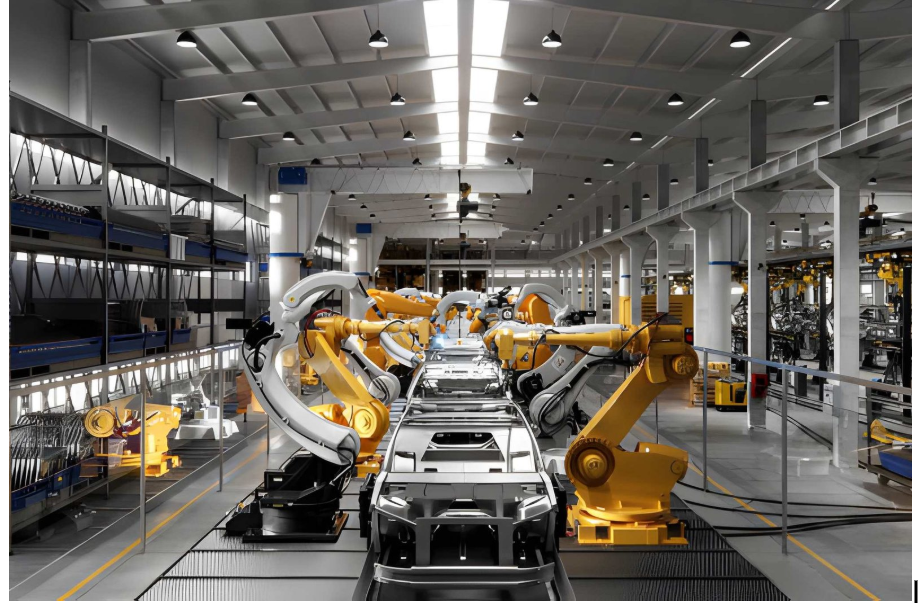
Industrial robots have transformed manufacturing by automating tasks that are repetitive, dangerous, or require high precision. These machines are widely used for welding, painting, assembly, material handling, palletizing, and packaging.
Robotic automation helps manufacturers improve workplace safety by keeping employees away from hazardous environments. Robots can also operate continuously, which increases output and reduces production delays. In smart factories, industrial robots are often connected to sensors and software systems, allowing real-time monitoring and process optimization.
Conveyor Systems
Conveyor systems are essential for moving materials, components, and finished products throughout a manufacturing facility. They help streamline workflows by reducing the need for manual transportation and improving production speed.
There are several types of conveyor systems, including belt conveyors, roller conveyors, chain conveyors, and overhead conveyors. Each type is designed for specific applications and load requirements. In industries such as food processing, logistics, automotive manufacturing, and packaging, conveyor systems play a major role in keeping operations organized and efficient.
Injection Molding Machines
Injection molding machines are widely used in the production of plastic parts. These machines work by melting plastic material and injecting it into a mold, where it cools and forms the desired shape. This process is ideal for producing large quantities of identical parts with high accuracy.
Injection molding is commonly used to manufacture automotive components, medical products, electronic housings, toys, packaging materials, and household goods. The main advantages of injection molding machines include fast production cycles, low material waste, and the ability to create complex shapes.
Press Machines
Press machines are used to shape, cut, or form materials by applying pressure. They are commonly found in metalworking, automotive manufacturing, appliance production, and construction material fabrication. Common types include hydraulic presses, mechanical presses, and pneumatic presses.
These machines are essential for processes such as stamping, bending, punching, forging, and forming. Press machines help manufacturers produce durable and precise parts while maintaining high production rates. Modern press machines often include safety features and digital controls to improve operator protection and process accuracy.
Industrial Mixers and Blenders
Industrial mixers and blenders are important in industries that require uniform material processing. They are used to combine powders, liquids, granules, or pastes into consistent mixtures. These machines are common in food production, pharmaceuticals, chemicals, cosmetics, and construction materials.
For example, food manufacturers use industrial mixers to prepare dough, sauces, and seasonings. Pharmaceutical companies rely on blending equipment to ensure accurate ingredient distribution in medicines. A well-designed mixing system improves product quality, reduces batch variation, and supports regulatory compliance.
Packaging Machinery
Packaging machinery is essential for preparing products for storage, shipment, and sale. It includes equipment such as filling machines, sealing machines, labeling machines, wrapping machines, and carton erectors. Automated packaging systems increase speed, reduce labor costs, and improve packaging consistency.
In modern manufacturing, packaging is more than just protection. It also affects branding, shelf appeal, and customer experience. Efficient packaging machinery helps companies meet market demands while reducing material waste and improving sustainability.
Welding Machines
Welding machines are critical for joining metal components in manufacturing and fabrication. They are used in industries such as automotive, shipbuilding, construction, aerospace, and heavy equipment production. Common welding methods include MIG welding, TIG welding, arc welding, and resistance welding.
Modern welding machines offer greater control, improved energy efficiency, and better weld quality. Automated welding systems, including robotic welders, are increasingly popular because they improve consistency and reduce production time.
Laser Cutting Machines
Laser cutting machines use a high-powered laser beam to cut materials with speed and precision. They are commonly used for cutting metal, plastic, wood, fabric, and glass. Laser cutting is ideal for producing detailed designs, clean edges, and intricate patterns.
Manufacturers value laser cutting machines because they reduce material waste and require minimal finishing work. These machines are widely used in signage, automotive parts, electronics, metal fabrication, and architectural components.
Quality Control and Inspection Equipment
Quality control is a vital part of manufacturing. Inspection equipment helps manufacturers detect defects, measure dimensions, and verify that products meet required standards. Common quality control machines include coordinate measuring machines, vision inspection systems, hardness testers, and leak testing equipment.
By using automated inspection systems, manufacturers can identify problems early and prevent defective products from reaching customers. This improves customer satisfaction, reduces returns, and protects brand reputation.
Choosing the Right Industrial Machinery
Selecting the right industrial machinery depends on several factors, including production volume, material type, available space, budget, and long-term business goals. Manufacturers should also consider energy efficiency, maintenance requirements, operator training, and compatibility with existing production systems.
Investing in high-quality machinery may require significant upfront costs, but it can deliver strong returns through increased productivity, reduced waste, and improved product quality. Businesses should work with reputable machinery suppliers and consider future scalability when making purchasing decisions.
Conclusion
Industrial machinery is essential for modern manufacturing.From CNC machines and industrial robots to conveyor systems, packaging equipment, and quality control machines, each type of equipment plays a key role in improving efficiency and product quality. As technology continues to advance, manufacturers that invest in reliable and automated machinery will be better positioned to compete in a fast-changing global market.
By choosing the right industrial machinery,Gà Cú đá 5 tỷ companies can increase production capacity, reduce operational costs, improve safety, and deliver consistent products that meet customer expectations.
vvvv